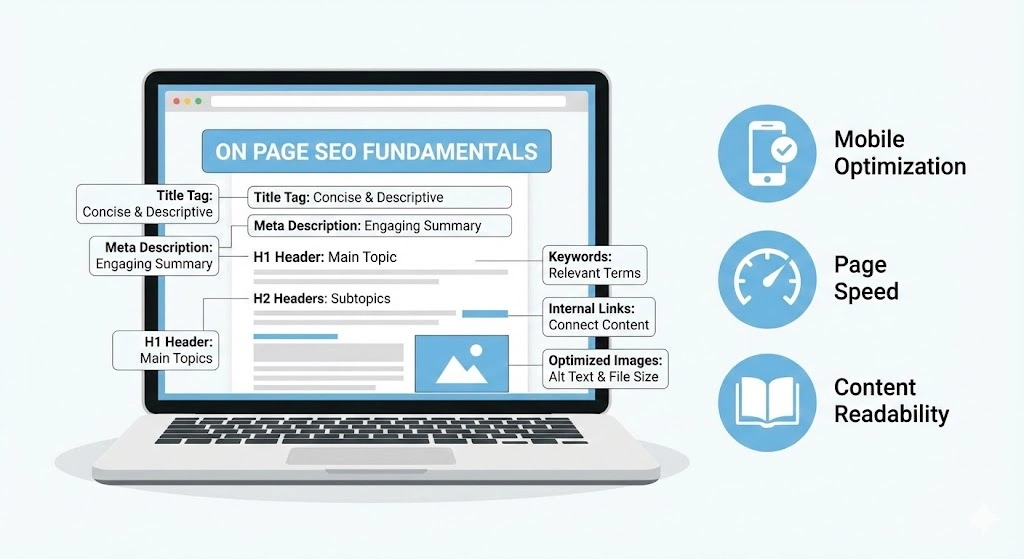
SEO vs. PPC 2026: Which Digital Marketing Channel is Right for You?\n\nIn the ever evolving landscape of digital marketing, businesses continue to grapple with a fundamental question: Should we invest in Search Engine Optimization (SEO) or Pay Per Click (PPC)? This isn\’t a new debate, but in 2026, with advanced AI driven search algorithms, hyperpersonalized ad experiences, and a heightened demand for meaningful user engagement, the nuances have deepened significantly. Deciding between SEO and PPC, or understanding how to integrate them, is crucial for sustainable online growth. This guide will provide an expert level breakdown, helping you navigate the complexities and make informed decisions about which digital marketing channel is truly right for your organization in the current competitive environment.\n\nHistorically, the choice often felt like an either/or dilemma. However, the most successful enterprise and small to medium sized businesses (SMBs) in 2026 recognize that a blended approach often yields the best long term return on investment (ROI). Understanding the distinct advantages and disadvantages of each, their cost implications, and their role within a holistic marketing strategy is paramount. We will delve into real world scenarios, current statistics, and practical strategies to equip you with the knowledge needed to optimize your digital marketing spend and achieve your business objectives.\n\nFrom building brand authority with robust organic search visibility to generating instant leads with precisely targeted advertising, both SEO and PPC offer unique pathways to success. Our exploration will cover everything from the latest Google algorithm updates impacting organic rankings to the breakthroughs in programmatic advertising platforms. By the end, you will have a clear framework for evaluating these powerful channels and architecting a digital strategy that drives measurable results.\n\n### Key Takeaways\n\nSEO Builds Long Term Equity: Offers sustainable organic traffic, increased brand trust, and higher ROI over time, but requires patience.\nPPC Delivers Immediate Impact: Provides instant visibility, precise targeting, and quick lead generation, ideal for time sensitive campaigns.\nSynergy is Key in 2026: A combined SEO and PPC strategy often outperforms either channel in isolation, leveraging strengths for maximum reach.\nAI\’s Role is Amplified: AI driven tools are transforming both SEO (content optimization, SERP analysis) and PPC (ad targeting, bidding strategies).\nData Driven Decisions: Continuous analysis of performance data is essential for optimizing spend and refining strategies for both channels.\nFocus on User Experience: Both SEO and PPC increasingly prioritize user experience, mobile optimization, and relevant content delivery for better engagement.\n\n## Understanding Search Engine Optimization (SEO) in 2026\n\nSearch Engine Optimization (SEO) is the practice of increasing the quantity and quality of traffic to your website through organic search engine results. In 2026, SEO is far more sophisticated than keyword stuffing and link building. It\’s about becoming the most relevant, authoritative, and trustworthy resource for searchers, aligning perfectly with evolving user intent and advanced search algorithms. Google, Bing, and even specialized vertical search engines are leveraging sophisticated AI models like Google\’s “Project Star” (the internal codename for their enhanced multimodal ranking system) to understand context, nuance, and user behavior with unprecedented precision. This means SEO professionals must now adopt a holistic, entity based approach.\n\n### The Pillars of Modern SEO\n\n1. Technical SEO: This foundational layer ensures search engines can efficiently crawl, index, and understand your website. In 2026, core Web Vitals remain critical, with Largest Contentful Paint (LCP) and Cumulative Layout Shift (CLS) still major ranking factors, alongside a renewed emphasis on server response times and efficient JavaScript execution. Site architecture, structured data (Schema markup), mobile first indexing, and secure HTTPS protocols are non negotiables. A new focus has emerged on sitemap.xml optimization for diverse content types, including video and interactive elements.\n\n2. On Page SEO: This involves optimizing individual web pages to rank higher and earn more relevant traffic in search engines. Beyond traditional keyword optimization, 2026 on page SEO emphasizes topical authority and semantic relevance. This means using LSI (Latent Semantic Indexing) keywords, entities related to the primary topic, and answering comprehensive user queries within the content. E-E-A-T (Experience, Expertise, Authoritativeness, Trustworthiness) is more important than ever. High quality, in depth content that truly solves a user\’s problem or answers their question comprehensively is paramount. This includes optimizing title tags, meta descriptions, header structure (H1, H2, H3), image alt text for accessibility and searchability, and internal linking for site navigation and topic clustering.\n\n3. Off Page SEO: This refers to actions taken outside of your website to impact your rankings within search engine results pages (SERPs). While traditional link building from authoritative external sources remains a strong signal, 2026 off page SEO also encompasses brand mentions (even unlinked ones), social media engagement as a signal of content popularity and relevance, and online reviews. The quality and relevance of backlinks are exponentially more valuable than quantity. Strategies now focus on building genuine relationships with industry influencers and creating shareable, valuable content that naturally attracts links and mentions.\n\n4. Local SEO: For businesses with physical locations, local SEO is indispensable. Google Business Profile optimization is crucial, including accurate NAP (Name, Address, Phone) information, regular updates, engaging photos, and active response to reviews. Local citation consistency across directories, local keyword targeting (e.g., “best coffee shop near me”), and geo specific content are vital. For many small businesses, especially those wanting to reach customers in specific regions like those in Lahore, focusing on Local SEO strategies for small businesses in Lahore can provide a significant competitive edge, driving foot traffic and local online conversions. Proximity, prominence, and relevance are the key ranking factors for local packs.\n\n### Advantages of SEO in 2026\n\nSustainable, Long Term Traffic: Once you rank, organic traffic can flow consistently for months or even years with proper maintenance, generating a compounding return. Unlike PPC, traffic doesn\’t stop when you stop paying.\nHigher Trust and Credibility: Users generally trust organic results more than paid ads. Appearing naturally at the top of SERPs builds brand authority and perceived expertise, which is amplified by E-E-A-T.\nCost Effectiveness Over Time: While initial investment in SEO can be substantial, the cost per acquisition (CPA) often decreases significantly over time compared to the ongoing costs of PPC, leading to excellent long term ROI.\nIncreased Brand Visibility and Awareness: High organic rankings mean your brand is consistently seen by a relevant audience, enhancing brand recall and recognition without direct payment for each impression.\nImproved User Experience: A core tenet of modern SEO is optimizing for user experience (UX), which benefits all visitors, not just those from search engines. This includes faster load times, better navigation, and high quality content.\nAdaptability to AI Search: As AI driven search evolves, SEO strategies focused on deep topic understanding, semantic relevance, and user intent alignment are inherently more resilient and future proof.\n\n### Disadvantages of SEO in 2026\n\nTime to See Results: SEO is a long game. It can take several months, often 6 to 12 months, to see significant ranking improvements and traffic increases, especially for new domains or highly competitive keywords. This requires patience and consistent effort.\nUnpredictability and Algorithm Changes: Search engine algorithms, particularly Google\’s, are constantly updated. A major update can suddenly impact rankings, requiring ongoing adaptation and strategy adjustments. The 2025 “Contextual Understanding Update” shifted several long standing ranking dynamics, requiring many sites to reevaluate their topical authority.\nRequires Ongoing Investment and Expertise: SEO is not a “set it and forget it” strategy. It requires continuous content creation, technical audits, link building efforts, and staying updated with the latest algorithm changes. Expert SEO professionals or agencies are essential.\nNo Guaranteed Rankings: Despite best efforts, there are no guarantees of achieving specific top rankings due to competition and algorithm complexities.\n\n## Delving into Pay Per Click (PPC) Advertising in 2026\n\nPay Per Click (PPC) advertising is a model of internet marketing in which advertisers pay a fee each time one of their ads is clicked. Essentially, you\’re buying visits to your site, rather than attempting to “earn” those visits organically. In 2026, PPC has evolved far beyond simple keyword bidding. It encompasses highly sophisticated audience segmentation, AI powered automated bidding strategies, multimodal ad formats (integrating video, interactive elements, and augmented reality (AR) experiences), and cross platform targeting across search engines, social media, smart devices, and specialized networks. Google Ads (formerly AdWords), Microsoft Advertising, Amazon Ads, and major social platforms like Meta Ads (Facebook/Instagram/Threads) are the dominant players.\n\n### The Mechanics of Modern PPC\n\n1. Keyword Research and Targeting: Similar to SEO, comprehensive keyword research is foundational. However, in PPC, the focus is on commercial intent keywords that indicate a user is ready to buy or convert. Negative keywords are crucial to filter out irrelevant clicks. In 2026, intent based bidding using AI models that predict user conversion probability is becoming standard.\n\n2. Ad Copy and Creative: Crafting compelling ad copy that resonates with the target audience and encourages clicks is vital. This includes strong headlines, descriptive ad extensions (sitelinks, callouts, structured snippets), and clear calls to action (CTAs). For display and social ads, visually striking and responsive creative assets are paramount. Generative AI tools are now widely used to A/B test countless ad variations quickly.\n\n3. Landing Page Optimization: The ad is only the first step. The landing page must be highly relevant to the ad copy and offer a seamless user experience, guiding the user towards conversion. This includes clear messaging, fast load times, mobile responsiveness, and strong CTAs. A disconnect between ad and landing page often leads to high bounce rates and wasted ad spend.\n\n4. Bidding Strategies: Modern PPC uses advanced bidding strategies. While manual bidding allows for fine grained control, automated strategies leveraging machine learning (e.g., Target CPA, Maximize Conversions, Target ROAS) are increasingly effective in 2026. These algorithms analyze vast amounts of data in real time to optimize bids for specific conversion goals. For instance, Google\’s “Smart Bidding 3.0” platform, released in late 2025, integrates even deeper signals like geo temporal intent and user journey stage to refine bids.\n\n5. Audience Targeting: Beyond keywords, PPC platforms offer granular audience targeting options based on demographics, interests, behaviors, custom audiences (e.g., remarketing lists, customer match), and in market segments. This allows advertisers to reach highly specific groups of potential customers, minimizing wasted impressions.\n\n### Advantages of PPC in 2026\n\nInstant Visibility and Immediate Results: PPC ads appear at the top of search results almost immediately after launch. This is invaluable for new businesses, promotions, seasonal campaigns, or when quick lead generation is paramount.\nPrecise Targeting and Control: Advertisers have unparalleled control over who sees their ads (geography, demographics, interests, keywords, time of day) and how much they spend. This precision significantly reduces wasted ad impressions.\nMeasurable ROI and Scalability: Every aspect of a PPC campaign is trackable, from impressions and clicks to conversions and revenue. This allows for clear ROI measurement and the ability to easily scale spend up or down based on performance.\nTest Marketing Capabilities: PPC is excellent for testing new offers, keywords, landing pages, and messaging. You can quickly gather data on what resonates with your audience before investing in long term strategies.\nBrand Awareness (Beyond Clicks): Even if users don\’t click an ad, seeing your brand at the top of SERPs or in relevant display networks contributes to brand awareness and familiarity, acting as a valuable touchpoint in the customer journey.\nCompetitive Advantage: Allows businesses to compete for visibility with larger, more established companies, rapidly capturing market share through strategic ad placements.\n\n### Disadvantages of PPC in 2026\n\nOngoing Cost: As long as you want traffic, you have to pay for clicks. Stopping your campaigns immediately halts traffic from this channel. Costs can escalate rapidly in competitive industries.\nAd Fatigue and “Banner Blindness”: Users can become blind to ads or develop ad fatigue, reducing click through rates over time. The intrusive nature of some display ads can also detract from user experience.\nRequires Constant Monitoring and Optimization: PPC campaigns demand continuous monitoring, A/B testing, bid adjustments, and performance analysis. A poorly managed campaign can quickly deplete budgets with little return.\nClick Fraud: While platforms have sophisticated systems to deter it, click fraud (invalid clicks generated by bots or malicious competitors) remains a concern, though significantly reduced in 2026 due to AI based detection systems.\nAd Blocker Usage: A significant percentage of internet users employ ad blockers, preventing your ads from being seen, though search ads are less affected than display ads.\n\n## Strategic Combination: Is It SEOorPPC, or Both?\n\nIn 2026, the question is rarely “SEO or PPC?” but rather, “How can SEO and PPC work together to maximize our digital marketing impact?” The most effective digital strategies integrate both, leveraging their respective strengths to create a powerful, synergistic marketing presence. Think of them as two sides of the same coin, each enhancing the other\’s value.\n\n### Synergies Between SEO and PPC\n\n1. Data Sharing for Keyword Insights: PPC provides immediate data on keyword performance (CTR, conversion rates, cost per conversion). This valuable insight can inform your SEO strategy, guiding content creation efforts towards high converting keywords that might take longer to rank organically. Conversely, strong organic keyword rankings can help identify new opportunities for PPC targeting.\n\n2. Dominating the SERPs: By ranking organically and running ads for the same high value keywords, your brand can occupy multiple coveted spots on the first page of search results. This “double listing” significantly increases visibility, brand presence, and the likelihood of a click, crowding out competitors.\n\n3. Remarketing Opportunities: SEO drives organic traffic to your site, even if those users don\’t convert immediately. PPC can then be used to re engage these visitors through remarketing campaigns, showing them targeted ads on other platforms. This is a highly effective way to nurture leads and significantly improve conversion rates.\n\n4. Content Amplification: High quality SEO content can be repurposed and promoted through PPC channels (e.g., “boosted” blog posts on social media, content discovery networks like Taboola or Outbrain). This extends the reach of your valuable content and can introduce new audiences to your brand.\n\n5. Bridging the Gap During SEO Development: While SEO efforts are maturing, PPC can provide instant traffic and leads. This ensures a consistent flow of business while you build long term organic authority, preventing a “traffic drought.”\n\n6. Testing for SEO: PPC campaigns can serve as a rapid testing ground for SEO elements. A/B testing ad copy, headlines, and landing page content in PPC can provide immediate feedback on what resonates with your audience, informing your meta descriptions, title tags, and content strategy for organic search.\n\n7. Brand Protection: Running PPC ads for your brand name can protect your brand from competitors bidding on your trademarked terms. Even if you already rank #1 organically, these ads prevent competitors from stealing clicks that were rightfully yours.\n\nMini Case Study: “Tech Solutions Inc.”\n\nTech Solutions Inc., a new B2B SaaS company specializing in AI powered project management, launched in early 2025. They needed rapid lead generation while simultaneously building long term brand authority. Their initial strategy was 70% PPC and 30% SEO. For the first six months, PPC focused on high intent keywords like “AI project management software free trial” and “best project management tool for remote teams,” generating an average of 150 qualified leads per month with a CPA of $75. This instant lead flow fueled their sales team. Concurrently, their SEO team began publishing in depth guides on “Future of Project Management,” “AI in Business Workflows,” and “Choosing the Right PM Software.” By Q4 2025, their organic rankings for informational keywords began to climb, bringing in an additional 200 organic visitors per day. In early 2026, they saw organic traffic contribute 40% of their total leads. By combining the immediate impact of PPC with the compounding benefits of SEO, Tech Solutions Inc. achieved a 200% increase in lead volume within 12 months, with their overall CPA decreasing by 30% as organic leads became more prominent. Their strategy evolved to 50% PPC and 50% SEO by 2026, recognizing the growing strength of their organic pipeline.\n\n## Step by Step: Crafting Your Integrated SEO and PPC Strategy for 2026\n\nBuilding a successful digital marketing strategy in 2026 requires more than just throwing money at ads or hoping for organic rankings. It demands a thoughtful, data driven, and integrated approach. Here\’s a step by step guide to help you craft a strategy that leverages both SEO and PPC effectively.\n\n### Step 1: Define Your Business Goals and Target Audience\n\nBefore launching any campaign, you must have crystal clear objectives. Are you aiming for increased brand awareness, lead generation, direct sales, or customer retention? Your goals will dictate the emphasis on SEO versus PPC. Simultaneously, thoroughly understand your target audience: their demographics, pain points, search behaviors, and where they spend their time online. Create detailed buyer personas.\n\nExample: A new e-commerce startup selling sustainable activewear might prioritize brand awareness initially (strong SEO content, social PPC) and later shift to direct sales (e-commerce specific PPC, SEO for product pages).\n\n### Step 2: Conduct Comprehensive Keyword Research\n\nThis is the foundation for both channels. Use tools like Semrush, Ahrefs, Google Keyword Planner (updated for 2026 with more predictive AI insights), and even competitor analysis platforms to identify short tail (broad) and long tail (specific) keywords.\n\nSEO Focus: Target informational and navigational keywords, building topical clusters around user questions. Look for keywords with high search volume, moderate competition, and strong relevance to your content topics.\nPPC Focus: Prioritize transactional and commercial intent keywords, where users are actively looking to buy or convert. Analyze CPC (Cost Per Click) and search intent rigorously. Don\’t forget negative keywords to save budget.\n\n### Step 3: Analyze the Competitive Landscape\n\nUnderstand what your competitors are doing in both organic and paid search. Tools like SpyFu and Semrush allow you to see competitor ad copy, landing pages, keyword bids, and organic ranking performance. This analysis can reveal opportunities and help you differentiate your strategy.\n\nKey Insight for 2026: Competitor analysis now extends beyond direct rivals. Monitor emerging players in related niches, as they can quickly disrupt SERP dynamics with innovative content or ad strategies, especially with generative AI tools lowering content creation barriers.\n\n### Step 4: Develop Your SEO Content Strategy\n\nBased on your keyword research and competitive analysis, plan your content. Focus on creating high quality, authoritative, and truly helpful content that demonstrates E-E-A-T. This includes blog posts, guides, pillar pages, video content, and interactive tools.\n\nActionable Tip: Implement a topic cluster model. Create a central “pillar page” covering a broad topic (e.g., “The Ultimate Guide to Sustainable Living”) and link to supporting “cluster content” that delves into specific subtopics (e.g., “Best Eco Friendly Home Products,” “Reducing Your Carbon Footprint,” “Sustainable Fashion Brands”). This strengthens semantic relevance and internal linking, boosting rankings for the entire cluster. Consider injecting internal links to relevant resources, such as an article on Local SEO strategies for small businesses in Lahore if your business has a local presence and targets that region.\n\n### Step 5: Structure Your PPC Campaigns\n\nOrganize your PPC campaigns logically by product, service, or goal. Create highly targeted ad groups with tightly themed keywords, compelling ad copy, and dedicated landing pages.\n\nActionable Tip: Leverage Responsive Search Ads (RSAs) to maximize ad relevance. Provide multiple headlines and descriptions, allowing AI to dynamically combine them for the best performing variations. Explore new ad formats like video action campaigns and interactive display ads for broader reach. Experiment with automated bidding strategies (Target CPA, ROAS) from the outset, allowing the AI to learn and optimize.\n\n### Step 6: Implement Tracking and Analytics\n\nCrucial for both channels. Set up Google Analytics 4 (GA4) with proper event tracking for key conversions (form submissions, purchases, downloads). Connect Google Search Console for SEO performance insights and ensure conversion tracking is accurately configured in your PPC platforms (Google Ads, Meta Ads).\n\nUnique 2026 Insight: Predictive analytics within GA4 and upgraded PPC platforms allows for more proactive optimization. Integrate these predictions into your weekly strategy meetings to anticipate trends and adjust bids/content focus before performance dips.\n\n### Step 7: Continuous Monitoring, Testing, and Optimization\n\nDigital marketing is a dynamic field. Regularly review your data, conduct A/B tests, and make adjustments. For SEO, monitor rankings, organic traffic, bounce rates, and user engagement. For PPC, track impressions, clicks, CTR, conversions, CPA, and ROAS.\n\nSEO Optimization: Update old content, build new high quality backlinks, resolve technical issues, and keep an eye on algorithm updates. Regularly refresh content that is seeing traffic decline.\nPPC Optimization: Adjust bids, refine targeting, test new ad copy and creative, optimize landing pages, and expand/refine keyword lists. Pause underperforming ads and ad groups.\n\n### Step 8: Refine Your Budget Allocation\n\nBased on performance, adjust your budget allocation between SEO and PPC. As SEO efforts mature and organic traffic increases reliably, you might gradually shift some budget from PPC to SEO, or reinvest PPC savings into more aggressive content marketing or technical SEO. This dynamic allocation ensures maximum efficiency of your marketing spend.\n\n## Common Mistakes to Avoid in SEO vs. PPC for 2026\n\nEven experienced marketers can fall into traps when navigating SEO and PPC. Avoiding these common pitfalls can save significant time, money, and frustration, especially as the digital landscape grows more complex in 2026.\n\n1. Treating SEO and PPC as Separate Silos: The biggest mistake is failing to integrate data and strategy between the two channels. This leads to missed synergies, duplicated efforts, and an incomplete view of your overall marketing performance. Ensure your SEO and PPC teams (or hats, if you\’re a solo marketer) communicate regularly and share insights.\n\n2. Neglecting Mobile Experience for Both: In 2026, mobile first indexing is standard, and over 60% of web traffic originates from mobile devices. If your website and landing pages aren\’t fast, responsive, and user friendly on mobile, both your organic rankings and ad quality scores will suffer dramatically. Prioritize mobile optimization relentlessly.\n\n3. Ignoring User Intent and E-E-A-T: For SEO, publishing generic, thin content that doesn\’t genuinely answer user questions or provide unique value will struggle to rank. For PPC, sending ad traffic to pages that don\’t directly fulfill the user\’s search intent leads to high bounce rates and wasted ad spend. Focus on delivering relevant, authoritative solutions that demonstrate genuine experience and expertise.\n\n4. Chasing “Shiny Objects” Instead of Fundamentals: While AI tools and new ad formats are exciting, neglecting the basics of technical SEO, keyword research, compelling ad copy, and landing page optimization is a recipe for failure. Master the fundamentals before jumping into advanced tactics.\n\n5. Setting and Forgetting Campaigns: Both SEO and PPC require continuous monitoring and optimization. Leaving an SEO strategy dormant for months or letting PPC campaigns run without daily/weekly adjustments will lead to stagnation or budget waste. Digital marketing is an ongoing process, not a one time setup.\n\n6. Failing to Track and Attribute Conversions Accurately: Without robust tracking (GA4, conversion tracking in ad platforms), you can\’t truly understand what\’s working. Investing in sophisticated attribution models in 2026 can help you understand the full customer journey and assign credit accurately to both SEO and PPC touchpoints, avoiding misinformed budget decisions.\n\n7. Overlooking Long Term Value of Brand Building: While PPC offers immediate results, relying solely on it can make your business vulnerable if ad costs rise or platforms change. Investing in SEO and content marketing builds brand equity, trust, and a sustainable, owned audience over time that can\’t be taken away by ad platform policies.\n\n## Unique 2026 Insight: The Rise of Conversational AI in Search and Advertising\n\nOne of the most significant shifts impacting both SEO and PPC in 2026 is the rapid integration of conversational AI into search engines and advertising platforms. We\’re moving beyond traditional keyword based queries to complex, multi turn conversations, voice searches, and increasingly, AI generated summaries as direct answers within the SERP.\n\nFor SEO, this means a stronger emphasis on entity optimization and answer based content. Websites need to be structured to provide direct, concise answers to complex questions, ready for AI models to synthesize. Content should focus on comprehensive topic coverage, anticipating follow up questions within a conversational flow. Schema markup that explicitly defines entities and their relationships will be more critical than ever. The ability to rank for “answer snippets” or be featured in AI generated summaries becomes paramount, even if it means some clicks are diverted from traditional organic listings.\n\nFor PPC, conversational AI is transforming ad experiences. Advertisers are seeing opportunities to place ads within AI chat interfaces (e.g., “Ask Google, where can I find the best [product type] that [specific features] near me?”). These “conversational ads” are highly personalized, contextually relevant, and often appear as product or service suggestions directly within the AI\’s response. Bidding strategies are evolving to account for conversational intent and the user\’s position within a purchasing dialogue. Advertisers must think about how their ads can seamlessly integrate into a fluid, interactive user experience, providing immediate value rather than mere interruption. The ability to create dynamic ad creatives that adapt to conversational prompts will be a competitive differentiator.\n\nThis shift demands that marketers re think how users discover information and make decisions. SEO and PPC strategies must converge even more, with content designed to feed both AI search summaries and AI driven ad placements. Understanding natural language processing (NLP) and natural language generation (NLG) is no longer a niche skill but a fundamental requirement for optimizing both organic and paid performance.\n\n## Comparing SEO and PPC: A Quick Overview\n\n| Feature | Search Engine Optimization (SEO) | Pay Per Click (PPC) Advertising |\n| :——————- | :——————————————————————- | :————————————————————– |\n| Time to Results | Longer term (3–12+ months for significant impact) | Immediate (ads appear instantly) |\n| Cost Model | Primarily investment in content, labor, tools; no direct per click fee | Direct payment per click (CPC) or impression (CPM) |\n| Traffic Type | Organic, highly trusted, sustainable | Paid, targeted, controlled |\n| Control | Indirect (influence via optimization), dependent on algorithms | High (budget, targeting, ad copy, bidding strategies) |\n| Visibility | Earned, often perceived as more authoritative, long lasting | Bought, typically at top of SERP, temporary |\
| Scalability | Slower to scale, dependent on content/authority growth | Highly scalable (increase budget for more impressions/clicks) |\ | Data Insights | Search queries, organic traffic, user behavior, keyword trends | Keywords, ad performance, conversions, precise audience data |\ | Ideal For | Long term brand building, sustainable growth, thought leadership | Immediate leads, promotions, market testing, competitive defense |\n\n## Conclusion: Architecting Your 2026 Digital Marketing Success\n\nChoosing between SEO and PPC in 2026 is not about picking a single winner, but rather understanding how these powerful digital marketing channels complement each other to form a cohesive, high performing strategy. SEO builds the bedrock of sustainable organic growth, fostering trust and authority over time. PPC, on the other hand, provides the agility for immediate impact, precise targeting, and rapid lead generation. The most effective businesses will use both in a carefully orchestrated dance, allowing them to capture both short term opportunities and secure long term market dominance.\n\nAs AI continues to reshape search and advertising, the integration of these channels will only deepen. Data driven insights from PPC can inform and accelerate SEO efforts, while strong organic authority can amplify the efficacy of paid campaigns. By embracing a holistic perspective, continuously analyzing performance, and adapting to the latest technological advancements, you can architect a digital marketing strategy that not only meets your business objectives but also positions you for sustained success in the increasingly dynamic digital landscape of 2026 and beyond. Evaluate your unique business goals, budget, and timeline, then strategically deploy both SEO and PPC to achieve maximum impact.
Frequently Asked Questions
Should I invest in SEO or PPC first in 2026?
For immediate results and lead generation, especially for new businesses or promotions, PPC often provides quicker wins. However, for long term, sustainable growth, brand authority, and a decreasing cost per acquisition over time, SEO is crucial. Many businesses find a blended approach most effective, using PPC for instant traffic while SEO efforts mature.
How does AI impact SEO and PPC in 2026?
AI significantly impacts both. For SEO, AI driven search algorithms (like Google’s “Project Star”) prioritize deep topical understanding, entity relationships, and conversational intent, requiring content to be more comprehensive and answer focused. For PPC, AI powers sophisticated automated bidding, hyperpersonalized ad targeting, and new conversational ad formats within AI chat interfaces, demanding advertisers create dynamic and contextually relevant creatives.
Can SEO and PPC share data to improve campaigns?
Absolutely. Data sharing is a major synergy. PPC can provide immediate insights on high converting keywords, optimal ad copy, and landing page performance. This data can directly inform and accelerate your SEO content strategy. Conversely, strong organic rankings and user behavior data from SEO can identify new opportunities for PPC targeting and audience segments.
What is “double listing” in SEO and PPC?
Double listing refers to the strategy of appearing in both the organic search results and the paid ad spots for the same keywords on a search engine results page (SERP). This significantly increases your brand’s visibility, reinforces credibility, and captures a larger share of potential clicks, making it harder for competitors to gain attention.
How long does it take to see results from SEO?
SEO is a long term strategy. For new websites or highly competitive keywords, it typically takes 6 to 12 months to see significant improvements in organic rankings and traffic. Consistent effort in content creation, technical optimization, and link building is essential for sustainable results.
Is PPC always more expensive than SEO?
While PPC requires an ongoing direct payment for clicks, its cost effectiveness depends on your industry, competitive landscape, and campaign management. SEO has a higher upfront investment in content creation and technical work but can lead to a lower cost per acquisition over time as organic traffic becomes “free.” The goal is to find the optimal balance for your budget and goals.